Game Design
The Dancing Wall VR
Tools Used
01
Overview
The Dancing Wall VR is a rhythm game where you move your body to match silhouettes on a wall, synced to the beat. I built it solo in Unity with C#.
The interesting engineering problem was the full-body rig: it had to track hand movement accurately and represent the player's physical actions responsively enough to feel like the game is reading you, not fighting you.
02
Watch It In Action
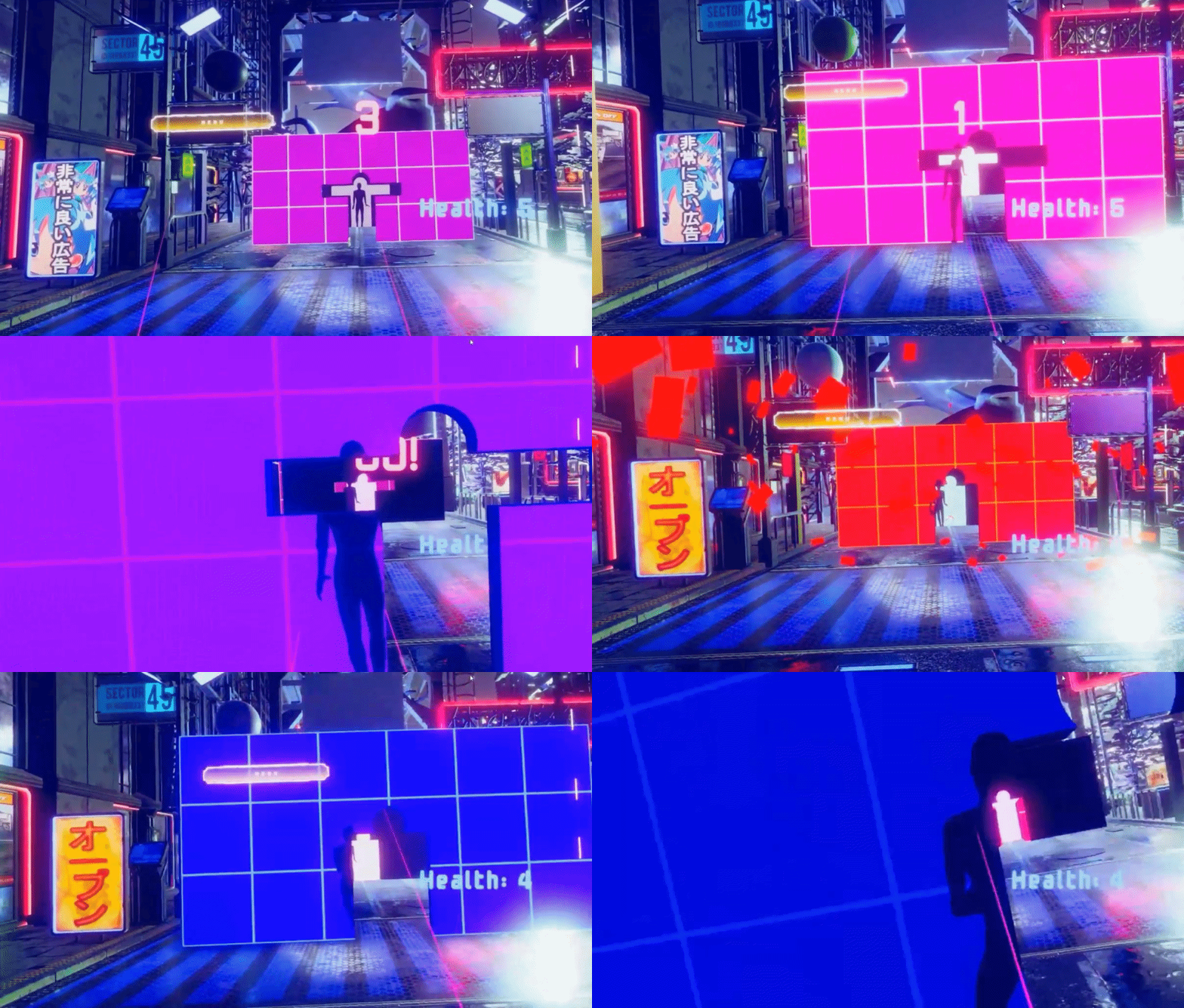
A look at the gameplay in VR, from the neon corridors to the rhythm-matched wall silhouettes. Seeing it move conveys the feel that a static frame can't.
03
Building the Full-Body Rig
The recurring challenge was the full-body rig. It had to capture hand movement precisely and reflect the player's actions with no noticeable lag, because any delay breaks the rhythm connection.
Through iterative testing and tuning, I sharpened the rig's responsiveness, which is what made the experience feel immersive rather than sluggish.
04
Inside the World
The neon corridors and glowing panels form a high-contrast space that stays readable even through VR lens distortion, keeping the rhythm-match timing legible at speed.
05
Captured from the Headset
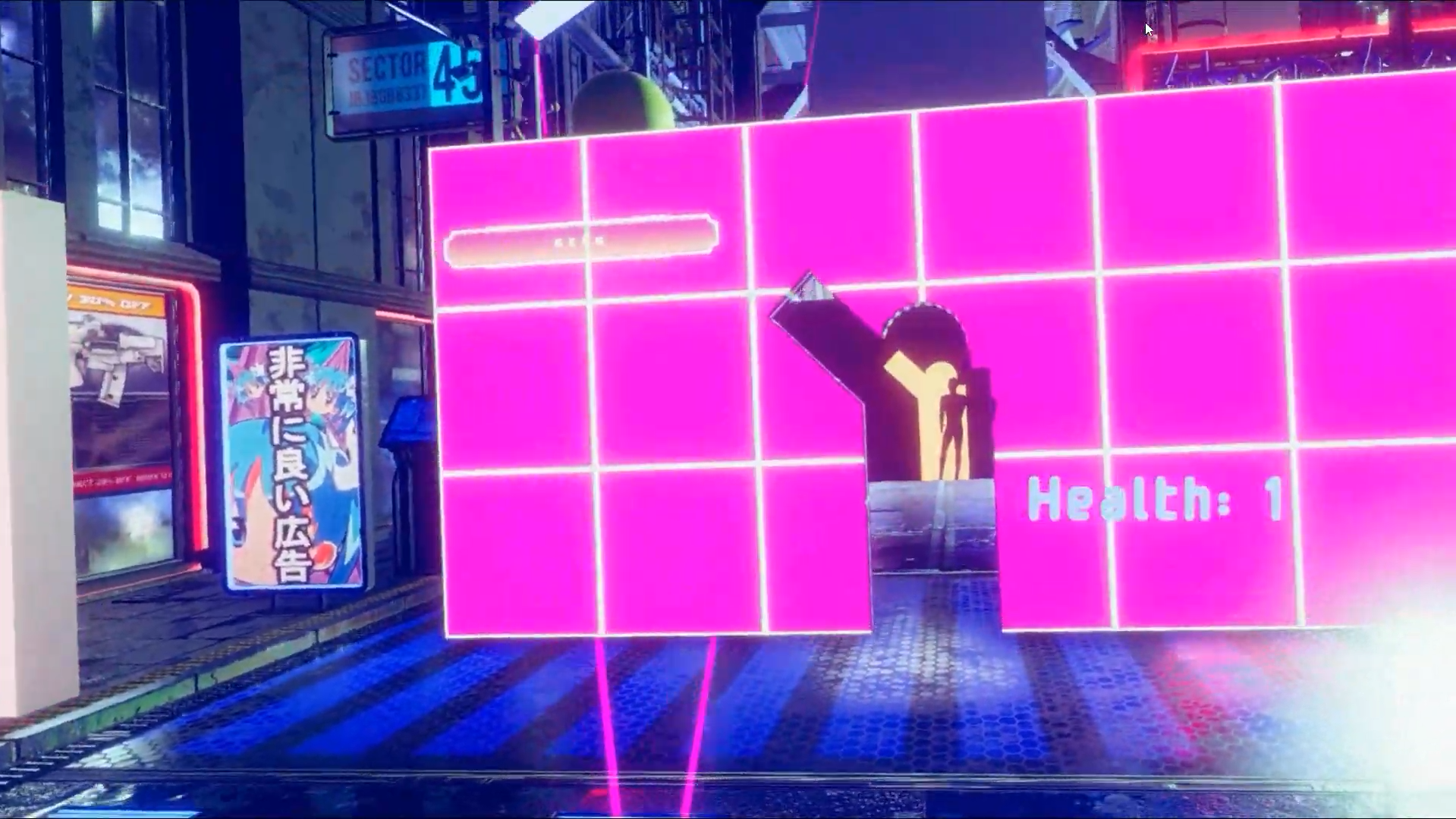
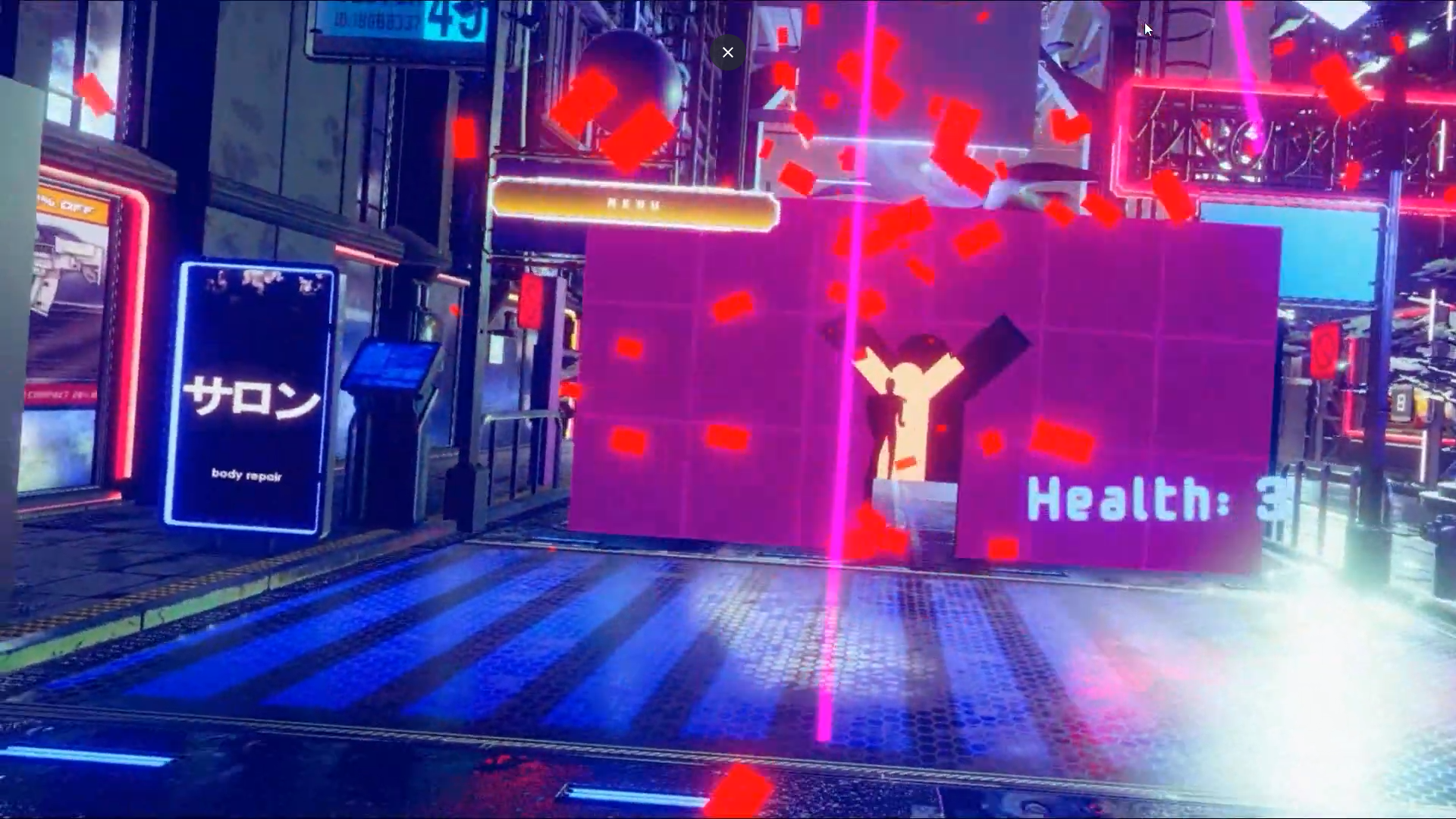
Frames pulled straight from the headset. The world wraps around your field of view, with the HUD, health, menu, and waypoint markers sitting close so they're easy to read while you move to the beat.
06
What I Learned
The biggest takeaway was how much responsiveness drives presence in VR. A rig that tracks cleanly turns a tech demo into something you want to keep playing.
If I extended it, I would add more silhouette patterns and a difficulty curve tied to the music, so the matching stays interesting as the track builds.
Impact
Built a VR rhythm game where players match wall silhouettes through dance.
Iterated the full-body rig for responsive hand tracking and a more immersive feel.